Queens Harbour Paver Sealing
Queens Harbour is a gated waterfront community along the Intracoastal Waterway in Jacksonville’s San Pablo corridor, known for its marina access, canal-front homes, and large luxury properties. Many residences include expansive paver driveways, pool decks, and outdoor entertainment areas that complement the waterfront architecture and landscaped surroundings. Similar to nearby communities like Glen Kernan and Pablo Creek Reserve, exterior surfaces here play a major role in overall curb appeal.
Because Queens Harbour sits directly along the Intracoastal system, pavers are exposed to higher humidity, salt air, and moisture cycles than most inland Jacksonville neighborhoods. Canal proximity and waterfront landscaping can introduce organic staining, algae growth, and surface buildup over time. HydroSeal helps homeowners restore and maintain these hardscapes through deep cleaning, joint stabilization, and professional sealing designed for coastal environments. Learn more about our paver sealing services and how we protect hardscapes across Duval County.
What Paver Sealing Does in Queens Harbour
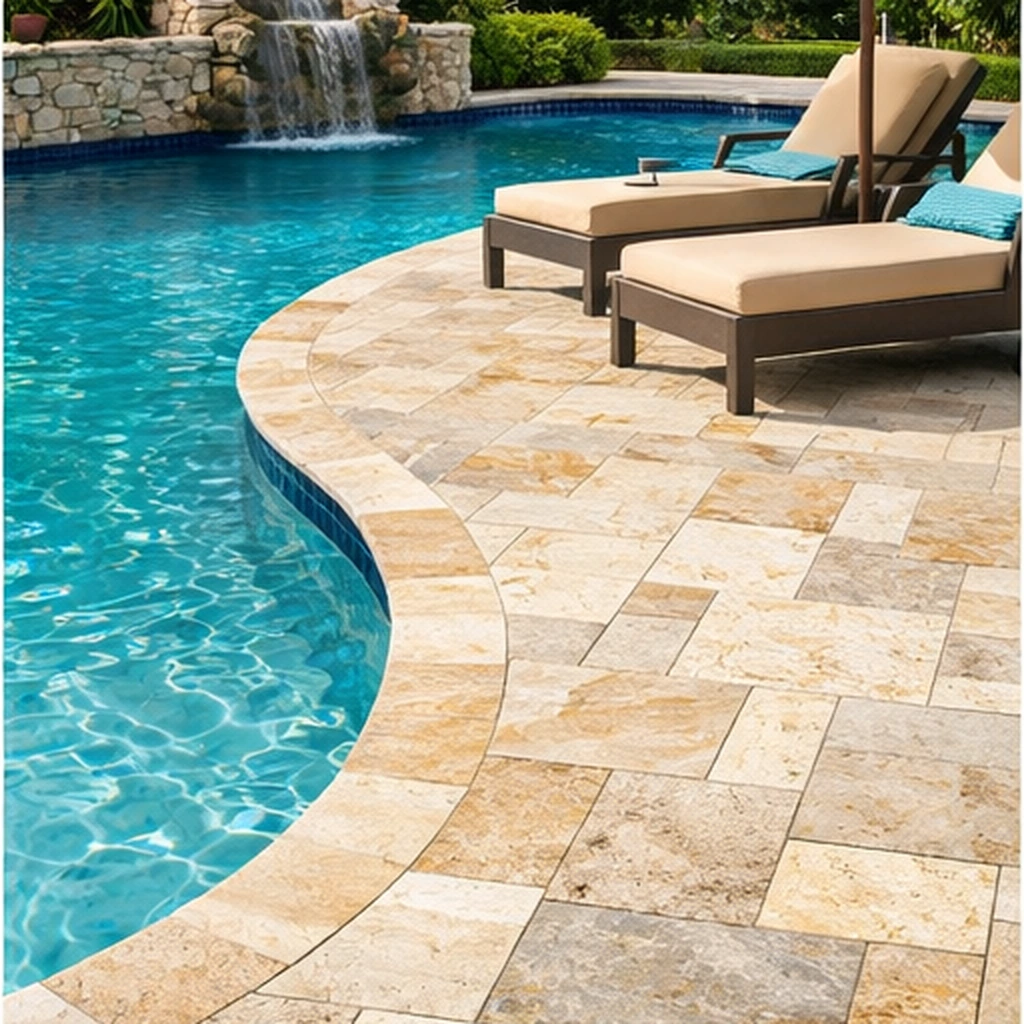
In Queens Harbour, sealing helps protect investment-level pavers from fading, staining, and joint instability. We prep thoroughly, rebuild weak joints, and apply premium sealer in controlled coats for a clean, high-end finish that performs under coastal-adjacent conditions.
- Strengthens curb appeal on high-visibility luxury properties
- Helps hold joint integrity across large paver fields
- Protects patios and pool decks used for entertaining
- Reduces absorption and moisture-related staining
- Supports long-term finish consistency
Waterfront-Adjacent Paver Protection in Queens Harbour
Moist air, frequent rain, and high outdoor use can accelerate wear even on premium installations. Our six-step process is designed to control those variables with proper drying windows, precision prep, and even application across complex hardscape layouts.
- Inspection: evaluate traffic, shade, drainage, and joint condition for queens harbour surfaces
- Clean: apply surface-specific chemistry and controlled cleaning for pavers and edges
- Re-sand: rebuild and compact joints using Trident ASTM C144 kiln-dried sand
- Dry & verify: confirm moisture and weather windows before any sealer is applied
- Seal: install even coats with clean transitions across driveways, patios, and pool zones
- Final walkthrough: review cure timing, maintenance tips, and reseal planning
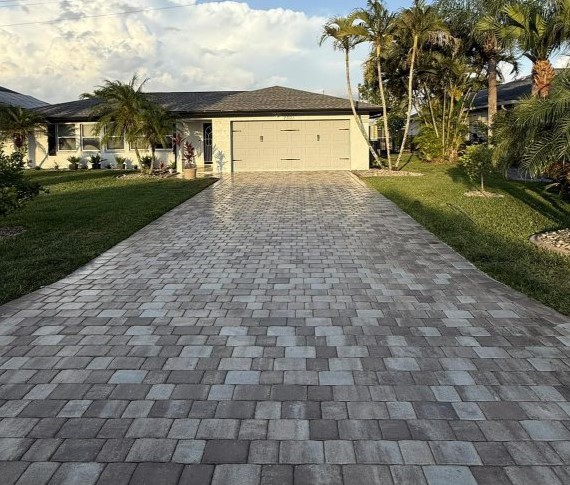
Nearby Duval communities we serve include Intracoastal East, Pablo Creek Reserve, and Isle of Palms. For larger restoration scopes where appearance and protection are both priorities, homeowners often request our warranty details. For longer joint life, see our sand options.
Queens Harbour Paver Sealing Questions
How long should we stay off sealed pavers in Queens Harbour?
Most surfaces are dry to the touch in roughly 1–2 hours under good weather. We typically recommend light foot traffic after 2–4 hours and waiting about 24 hours before normal use. For heavier driveway loads, pool furniture, or tight shaded areas, a 24–48 hour cure window is safer in humid conditions.
Does coastal moisture affect paver sealing in Queens Harbour?
Yes. Coastal humidity, salt air, and sudden rain can accelerate wear and create curing challenges if timing is wrong. We plan around moisture conditions, not just the calendar, so the sealer bonds correctly and cures evenly.
Do you re-sand paver joints before sealing?
Yes, when joints are low or unstable. We remove weak material, install Trident ASTM C144 kiln-dried joint sand, compact it properly, and then seal. Stable joints are critical for limiting movement, washout, and premature wear.
Can you keep the finish natural-looking for high-end homes in Queens Harbour?
Absolutely. We tailor application rates to deliver color enrichment and protection without an overdone look. The goal is a clean, refined finish that complements premium hardscape design.
How often should pavers be resealed in Queens Harbour?
Most properties are resealed about every 2–3 years, depending on sun exposure, traffic, drainage, and previous maintenance. Open driveways and high-use entertaining areas may need attention sooner than shaded or lightly used sections.
Should we restore and reseal existing pavers or replace them?
In many cases, restoration and professional sealing is the better value when the base is still sound. Cleaning, joint rebuilding, and proper sealing can significantly improve appearance and performance without the cost and disruption of full replacement.
Trusted by Northeast Florida Homeowners